Follow Me On Social Media!

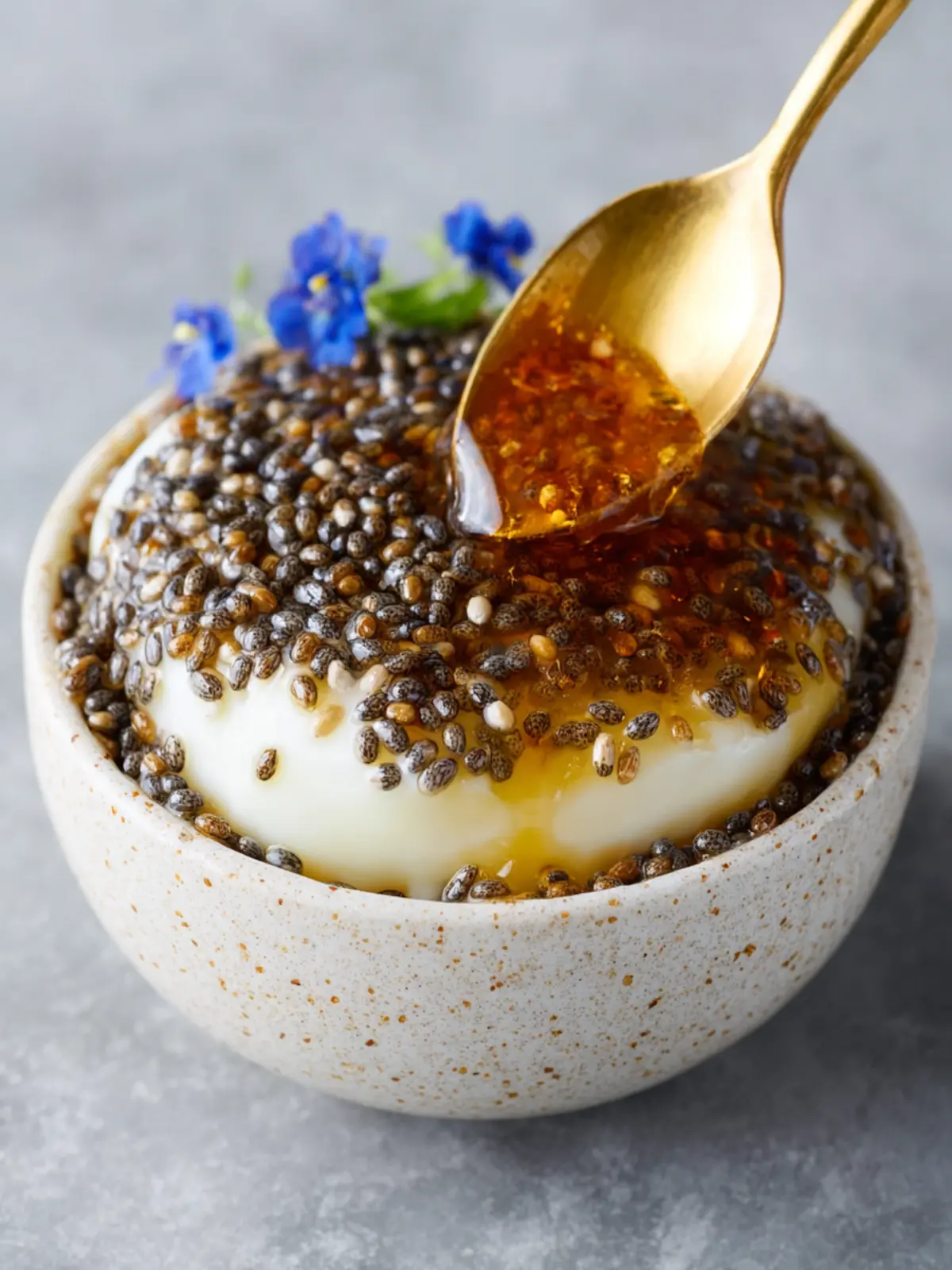
How to Make a Chia Egg: The Easy Vegan Baking Secret

Introduction to How to Make a Chia Egg
Have you ever found yourself in the middle of baking, only to discover you’re out of eggs? Don’t fret! Learning how to make a chia egg can be a game-changer, opening up a world of possibilities, especially for those embracing a vegan lifestyle or simply seeking healthier alternatives. The chia egg is not only an egg substitute; it also adds a subtle nutty flavor while keeping your baked goods moist and delicious.
What is a Chia Egg and Why Is It a Game-Changer in Baking?
So, what exactly is a chia egg? Essentially, it’s a mixture of chia seeds and water that, when combined, forms a gel-like consistency similar to that of a beaten egg. This miraculous transformation occurs because chia seeds are packed with soluble fiber, which absorbs water, creating a binding agent for your recipes.
Here’s why understanding how to make a chia egg is beneficial:
- Vegan-Friendly: A chia egg makes it easy for those avoiding animal products to still enjoy their favorite baked goods.
- Nutrient Boost: Chia seeds are packed with omega-3 fatty acids, protein, and fiber, providing a nutritional advantage over conventional eggs.
- No Cholesterol: Unlike eggs, chia seeds contain no cholesterol, making them a heart-healthy option.
- Flexibility: Whether you’re baking cakes, cookies, or pancakes, a chia egg can seamlessly integrate into countless recipes.
Making a chia egg is incredibly simple – all you need are chia seeds and water. In just a few minutes, you can prepare your egg replacement and keep baking without missing a beat.
Imagine the ease of whipping up a batch of cookies or a fluffy pancake stack without the hassle of running to the store for eggs. Not only does it save time, but it also allows for creativity in the kitchen. As a self-proclaimed baking enthusiast, I can personally vouch for the versatility of this simple ingredient. If you’ve never tried it before, I encourage you to give it a shot. You might just discover a new favorite approach to your baking adventures.
Stay tuned as we delve into the step-by-step process of creating the perfect chia egg!
Key Ingredients for How to Make a Chia Egg
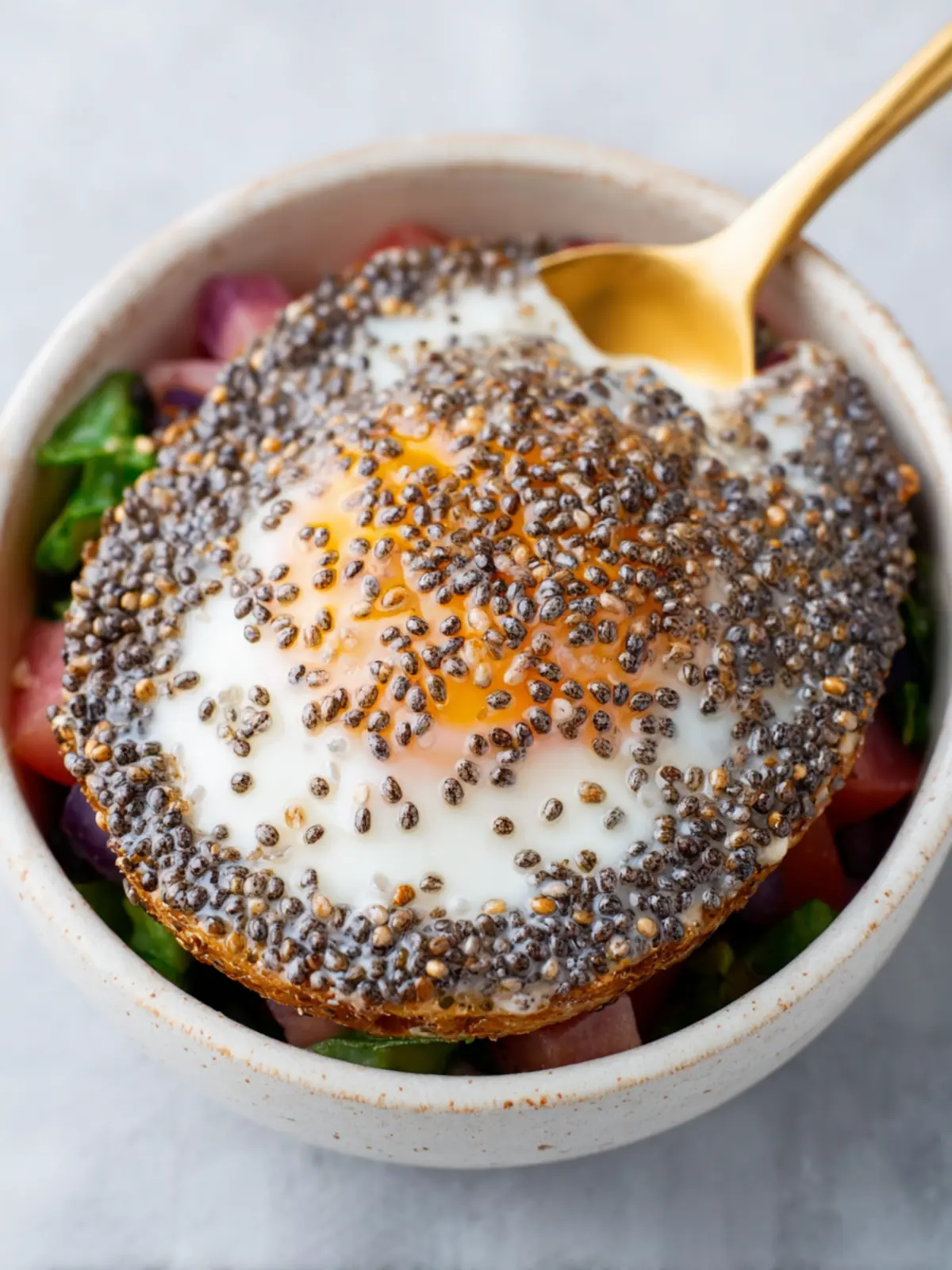
Chia seeds: At the heart of learning how to make a chia egg are the tiny yet mighty chia seeds. These superfoods are not only packed with omega-3 fatty acids, fiber, and protein, but they also work wonders as a binding agent in baking. Their unique property is that when soaked in water, they swell and form a gel-like consistency, making them the perfect substitute for eggs in vegan recipes.
Water: The second crucial ingredient. Just the right amount of water is needed to awaken the chia seeds and create that wonderful gel. Typically, a ratio of 1 tablespoon of chia seeds to 2.5 tablespoons of water is perfect for achieving the desired texture.
Timing: It’s essential to allow the mixture to sit for about 5 to 10 minutes. During this time, the chia seeds absorb the water and plump up, forming that delightful egg substitute. This step ensures your chia egg binds wonderfully in your baked goods, giving them a lovely texture without any egginess.
Why You’ll Love This Recipe
Have you ever found yourself in a situation where you’re all set to bake something delicious, only to realize you’re out of eggs? Fear not! Learning how to make a chia egg is a game-changer for anyone looking to create delicious, egg-free dishes.
Here’s why this recipe will quickly become one of your go-to hacks in the kitchen:
-
Simplicity: You only need two ingredients—chia seeds and water. That’s it! In less than five minutes, you’ll have a perfect egg substitute ready to go.
-
Nutritious Alternative: Chia seeds are packed with omega-3 fatty acids, fiber, and antioxidants. By swapping in a chia egg, you’re not just making your recipe vegan; you’re enhancing its nutritional profile too.
-
Versatility: Whether you’re baking cookies, pancakes, or muffins, the chia egg works seamlessly in various recipes. You won’t even notice a difference in texture!
-
Eco-Friendly: Using chia seeds minimizes food waste and is a fun way to incorporate more plant-based ingredients into your diet.
-
No Special Skills Required: You don’t need to be a culinary genius to master this technique. Just mix, wait, and you’re set!
Next time you’re in a bind, remember that knowing how to make a chia egg can open up a world of delicious possibilities!
Variations of Chia Egg
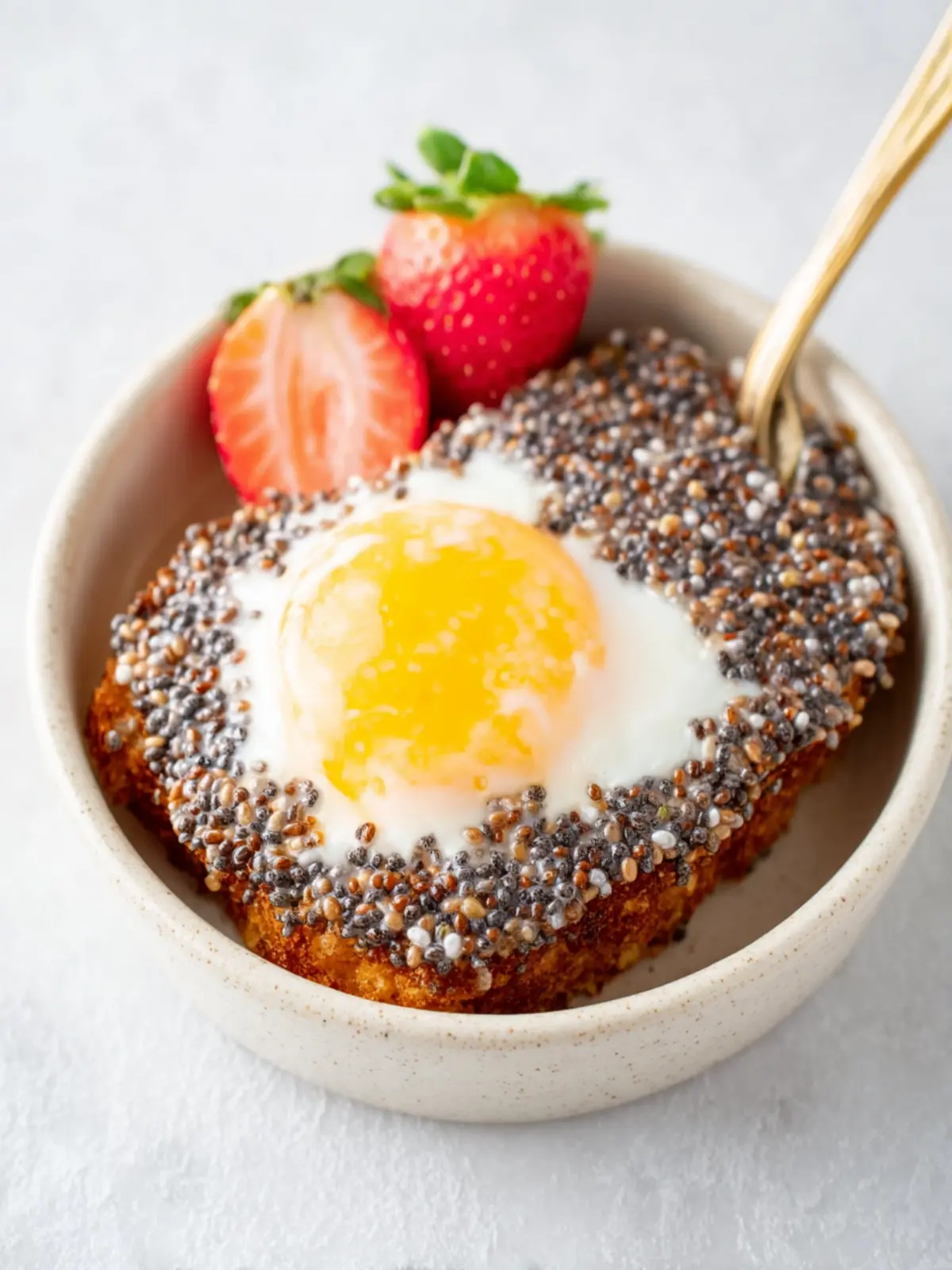
The magic of a chia egg lies in its versatility, making it easy to tailor to your culinary preferences. If you’re curious about how to make a chia egg, you’ll be pleased to know there are several enjoyable variations to explore:
-
Flaxseed Egg: Similar in function, blending ground flaxseeds with water creates a nutty alternative. This variation works well in baked goods, adding a distinct flavor while still binding ingredients together.
-
Silken Tofu: Another superb egg substitute, silken tofu is pureed until smooth and can replace eggs in recipes like brownies or pancakes. It provides moisture and a creamy texture without altering the flavor profile significantly.
-
Commercial Egg Replacers: These premade powders are designed for quick and effective egg substitution, weighing in as reliable options for baking. They create a fluffy texture while allowing you to achieve that perfect rise.
-
Aquafaba: The liquid from canned chickpeas can also work as an egg substitute, especially in recipes requiring egg whites. Whipped aquafaba adds an airy element to cakes and cookies.
Each of these options not only serves to replace eggs but can also introduce unique flavors and textures to your dishes. Happy experimenting!
Cooking Tips and Notes for Chia Egg
Creating a chia egg is not just a simple substitution; it’s a delightful journey into plant-based cooking. This clever little concoction can elevate your baking by binding ingredients together in a way that traditional eggs do.
Understanding Chia Seeds
Chia seeds are the star of this recipe. When mixed with water, these tiny seeds swell and form a gel-like consistency, making them perfect for vegan baking. To ensure a perfect chia egg, use 1 tablespoon of chia seeds mixed with 3 tablespoons of water. Let it sit for about 15 minutes until it becomes gelatinous. The fresher the seeds, the better the binding!
Measuring Matters
It’s all about precision. Using the right ratio is crucial for the ideal texture in your recipe. If you’re unsure, it’s better to lean towards a thicker mixture rather than a runny one.
Be Patient
Once you’ve mixed your chia seeds and water, patience is key. Giving the chia egg enough time to set will yield the best results, helping to maintain structure in your baked goods.
Experiment with Flavors
The subtle nutty flavor of chia seeds can enhance your dishes. If you feel adventurous, try adding a splash of vanilla or a touch of maple syrup when preparing your chia egg.
By incorporating these tips into your cooking, you’ll master how to make a chia egg effortlessly, opening up a world of delicious, plant-based possibilities!
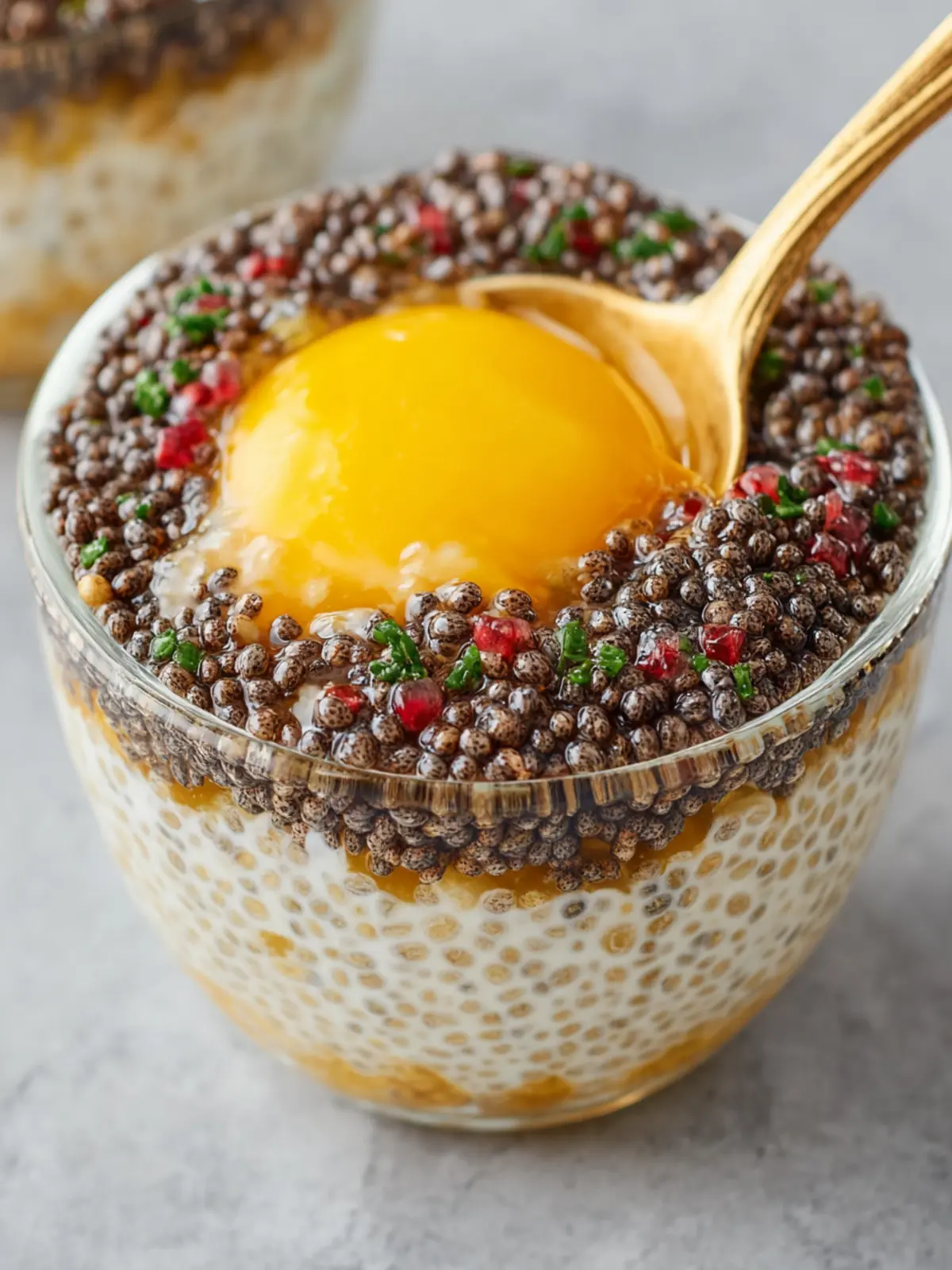
Serving Suggestions for Chia Egg
Understanding how to make a chia egg opens a world of delicious opportunities. This fabulous egg substitute not only adds nutritional value but also enhances the textures in your favorite dishes. Whether you’re craving pancakes or baking healthy muffins, here are some ways to incorporate your chia egg effortlessly.
Use in Baking:
- Muffins and Pancakes: Add your chia egg to your favorite muffin or pancake recipes. It helps bind the ingredients together while keeping everything moist.
- Cookies: Many cookie recipes call for eggs. A chia egg works wonders to create soft and chewy cookies.
Perfect for Savory Dishes:
- Veggie Burgers: Mix a chia egg into your veggie burger mix for better binding and an added boost of omega-3 fatty acids.
- Meatballs: If you’re opting for a meatless option, use it as a binder in veggie meatballs for a hearty meal.
Smoothies and Bowls:
- Smoothie Bowl Toppers: Stir in chia gel for a protein-packed boost to your morning smoothie bowl or yogurt.
With these tips, you’ll find your chia egg can elevate both your sweet and savory dishes in delightful ways!
Time Breakdown for Making a Chia Egg
Creating a chia egg is surprisingly simple, and it’s a fantastic vegan alternative for binding ingredients in your favorite recipes.
Preparation time
In just about 5 minutes, you can gather your chia seeds and water, mix them together, and have everything ready for the waiting period.
Waiting time
Now comes the magic of patience! Allow your chia mixture to rest for approximately 15 minutes. This lets the seeds absorb water and create that wonderful gel-like consistency.
Total time
From start to finish, making a chia egg will take you around 20 minutes. In no time, you’ll have a perfect egg substitute at your fingertips, ready to elevate your baking!
Now that you understand the timing, let’s move on to the ingredients you’ll need to make this fantastic chia egg.
Nutritional Facts of a Chia Egg
When considering how to make a chia egg, it’s essential to understand its impressive nutritional profile. This plant-based binder not only replaces eggs in various recipes but also packs a punch of nutrients.
Calories
A single serving of chia seeds (about 15 grams) provides roughly 70 calories. This makes a chia egg a low-calorie option for your baking needs without sacrificing taste.
Protein
Chia seeds contribute approximately 2–3 grams of protein per serving. This plant-based protein source is a fantastic way to complement your diet, especially if you’re exploring meatless meals or vegan-friendly recipes.
Omega-3 Fatty Acids
One of the standout benefits of a chia egg is its high omega-3 fatty acid content. You’ll find around 2,500 milligrams of ALA (alpha-linolenic acid) per serving, which is essential for heart health and can help reduce inflammation. Adding chia eggs to your dishes not only enhances texture but also boosts their nutritional value significantly!
FAQs about How to Make a Chia Egg
When you’re diving into the world of plant-based baking, understanding how to make a chia egg becomes essential for crafting delicious dishes. This simple yet transformative ingredient merges nutrition with convenience, helping many adapt traditional recipes to a vegan lifestyle.
Can I use a chia egg in any recipe?
While a chia egg is a fantastic substitute in many recipes, it’s important to note that it may not work perfectly for all. Chia eggs excel in recipes where eggs primarily serve as a binding agent. You might encounter challenges in recipes where eggs contribute to leavening, such as soufflés or meringues. For most baked goods like muffins or cookies, however, a chia egg is an excellent choice!
What recipe types work best with a chia egg?
Chia eggs shine in:
- Baked Goods: Muffins, pancakes, and cookies can benefit greatly from the moisture and binding properties of chia eggs.
- Breads: They add moisture to quick breads, making for a soft texture.
- Energy Bars and Granola: Chia eggs help hold ingredients together, providing a hearty consistency.
These recipes highlight the versatility of the chia egg, enhancing flavor while keeping things nutritious.
How does a chia egg compare to a flaxseed egg?
Both chia eggs and flaxseed eggs are popular egg alternatives, but they differ slightly in properties:
- Texture: Chia seeds create a thicker gel than flaxseeds, so recipes might yield slightly different textures.
- Nutritional Profile: Chia seeds are higher in omega-3 fatty acids and fiber, while flaxseeds offer more lignans, which have antioxidant properties.
Each has its charm, but if you’re unsure, try them out and see which one suits your taste and recipe best!
Conclusion on How to Make a Chia Egg
Incorporating a chia egg into your baking repertoire is a delightful and straightforward way to create vegan-friendly recipes. By mixing just two tablespoons of chia seeds with water, you can craft a binding agent that works wonders in everything from cookies to pancakes. This ingenious substitute not only enhances texture but also packs nutritional benefits. As you experiment with different recipes, you’ll discover how versatile and effective chia eggs can be. Next time you’re whipping up a favorite dish, consider this simple, natural alternative to eggs for a healthier twist! Remember, a little creativity in the kitchen can lead to deliciously satisfying results.
Print
Chia Seed Gel
- Total Time: 10 minutes
- Yield: 1 serving 1x
- Diet: Vegan
Description
This chia seed gel is perfect for adding to smoothies, baked goods, or as an egg substitute.
Ingredients
Scale
- 1 Tablespoon chia seeds
- 3 Tablespoons water
Instructions
- In a small bowl whisk together chia seeds with water.
- Let mixture sit for 5-10 minutes until it gels up and use as directed in the recipe you’re making.
Notes
- This gel can be used as a vegan egg substitute in recipes.
- Make sure to stir occasionally while it sits for even gelling.
- Prep Time: 5 minutes
- Category: Vegan, Condiment
- Method: No-Cook
- Cuisine: International
Nutrition
- Serving Size: 1 tablespoon
- Calories: 60
- Sugar: 0
- Sodium: 0
- Fat: 4.5g
- Saturated Fat: 0.5g
- Unsaturated Fat: 2g
- Trans Fat: 0g
- Carbohydrates: 5g
- Fiber: 5g
- Protein: 2g
- Cholesterol: 0