Follow Me On Social Media!

How to Cook Black Beans: Easy, Flavorful Comfort at Home

Introduction to Cooking Black Beans
How to cook black beans is a culinary journey that takes us deep into the heart of diverse cultures and rich traditions. Originating from ancient civilizations in Central and South America, black beans have been a staple in diets for thousands of years, cherished not only for their taste but also for their nutritional benefits. As you embark on this cooking adventure, you’ll discover that these small legumes pack a punch—offering a variety of health benefits while being incredibly versatile in a range of dishes.
The Rich History and Benefits of Black Beans
Black beans have a fascinating history, dating back to the Aztecs and Mayans, who regarded this legume as a critical source of sustenance. Today, they remain a prominent ingredient in Latin American cuisine and beyond. Whether served in a hearty chili, blended into a dip, or simply seasoned for a side dish, black beans are celebrated for their delicious flavor and texture.
From a nutritional standpoint, black beans are nothing short of a powerhouse. They are:
- High in Protein: A fantastic plant-based protein source, making them an excellent option for vegetarians and vegans.
- Rich in Fiber: One cup provides about 15 grams of dietary fiber, helping to support digestive health and keep you feeling full longer.
- Loaded with Antioxidants: Black beans contain anthocyanins, which give them their beautiful dark color and may help reduce the risk of chronic diseases.
- Packed with Nutrients: They offer essential vitamins and minerals like folate, iron, and magnesium, contributing to overall health and vitality.
Learning how to cook black beans is not just about the food; it’s about embracing a culinary tradition that nourishes both body and soul. So, gather your ingredients and get ready to create dishes that not only satisfy the palate but also connect you with a rich history that spans centuries. Making black beans a part of your cooking repertoire opens the door to a world of flavor possibilities, ready to elevate your meals with ease!
Key Ingredients for Cooking Black Beans
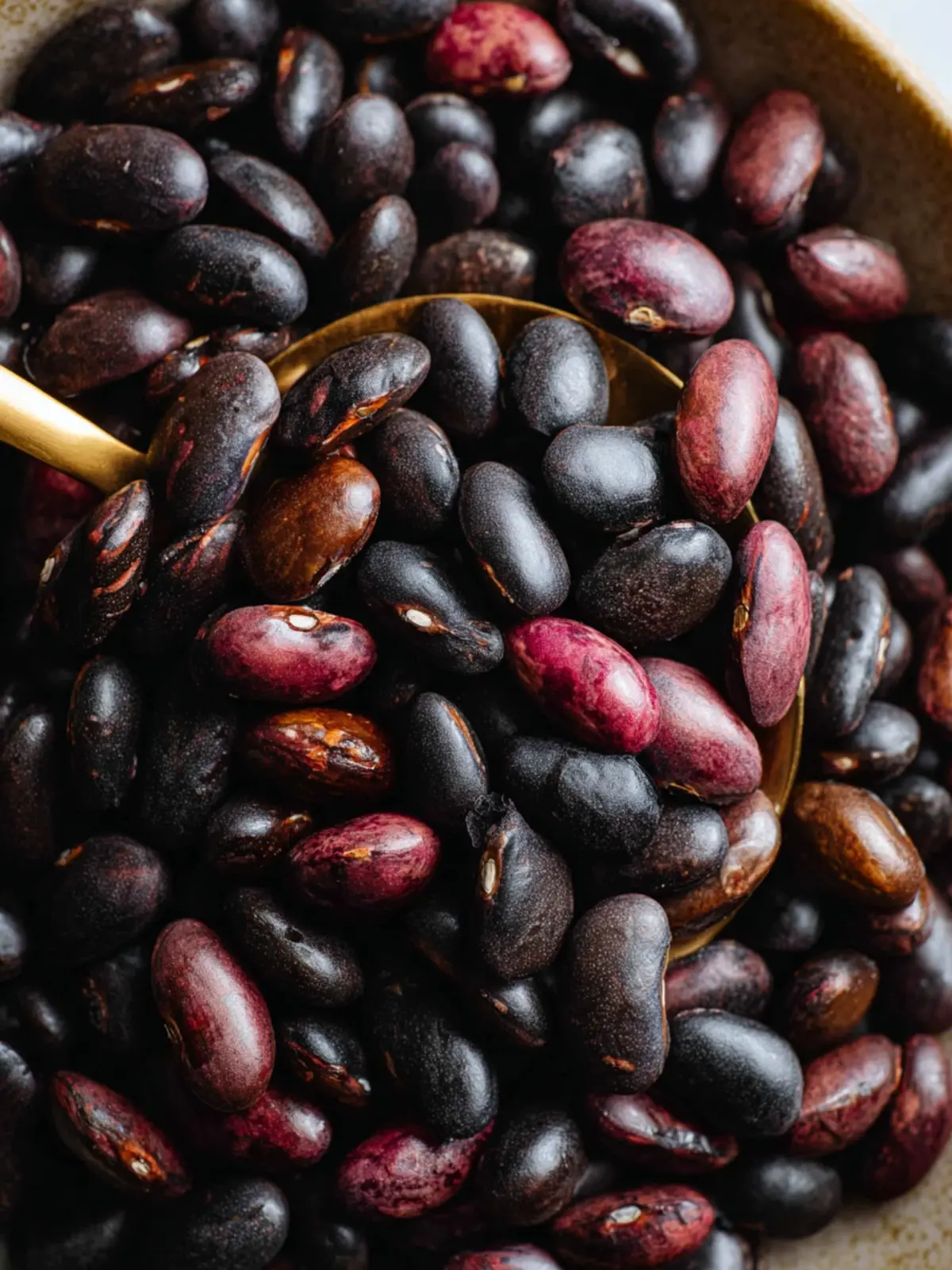
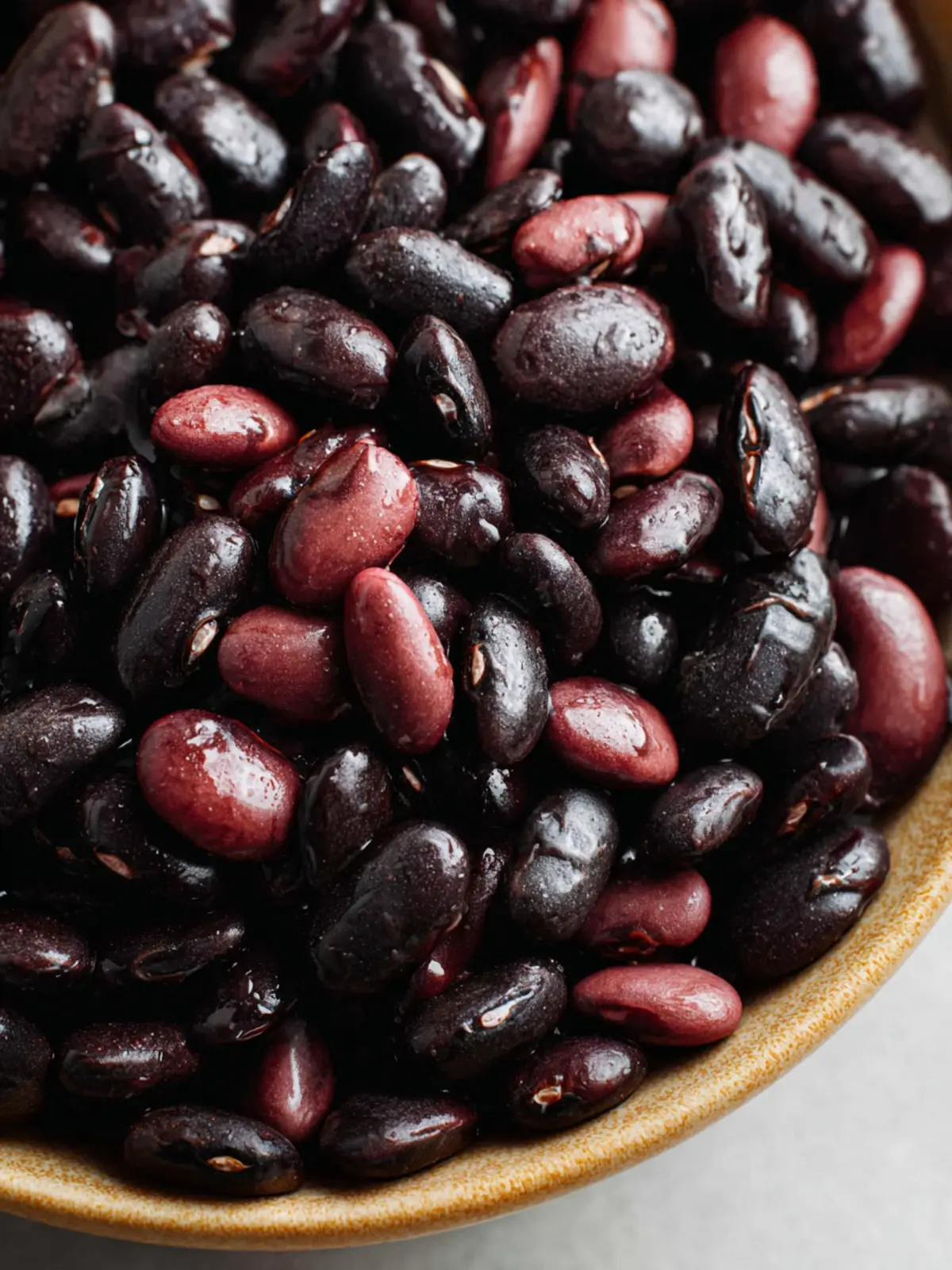
Dry Black Beans: For a delightful culinary journey, start with high-quality dry black beans. Their robust flavor really shines through as they absorb spices and other ingredients during cooking. Whether you’re whipping up a hearty chili or a refreshing salad, these beans transform into a versatile ingredient that plays well with countless dishes.
Kosher Salt: The right touch of kosher salt significantly elevates the overall taste of your black beans. Sprinkle some while soaking and again during the cooking process to amplify their natural flavor. A well-seasoned bean is the key to creating a satisfying meal that leaves your taste buds wanting more.
Optional Add-Ins: To take your experience to the next level, consider adding ingredients like onion, garlic, or kombu seaweed. Each of these brings its unique character; kombu infuses a savory umami richness, while onion and garlic provide aromatic charm that enhances the overall flavor profile.
Why You’ll Love This Recipe
Nutritional powerhouse packed with flavor
Discovering how to cook black beans has changed my approach to weeknight dinners. These tiny legumes are a culinary treasure, offering not just delicious flavor but also a remarkable nutritional profile. Black beans are high in protein, making them a fantastic meat alternative, especially for those looking to cut down on animal products.
-
Rich in Nutrients: With a hearty dose of fiber, vitamins, and minerals, black beans support digestive health while keeping you feeling satisfied. Just one cup provides about 15 grams of protein and 30% of your daily fiber needs.
-
Versatile and Flavorful: They soak up flavors beautifully, making them a perfect base for a variety of dishes, from tacos to salads. Imagine the comforting warmth of spices mingling with the creamy texture of perfectly cooked black beans. Your taste buds will rejoice!
-
Budget-Friendly: Cooking black beans from scratch is economical, especially when compared to canned options. You’ll save money while gaining a delicious homemade dish you can feel proud of.
In my kitchen, black beans have become a staple, and learning how to cook black beans has added a new depth to my meals. You’ll find that they can elevate even the simplest dishes into something special. So, why wait? It’s time to embrace this culinary delight!
Variations on Cooking Black Beans
Cooking black beans can be a delightful culinary adventure, especially when you start playing with different flavor profiles. The versatility of black beans allows you to experiment and enjoy a range of delicious outcomes.
Different flavor profiles to explore
-
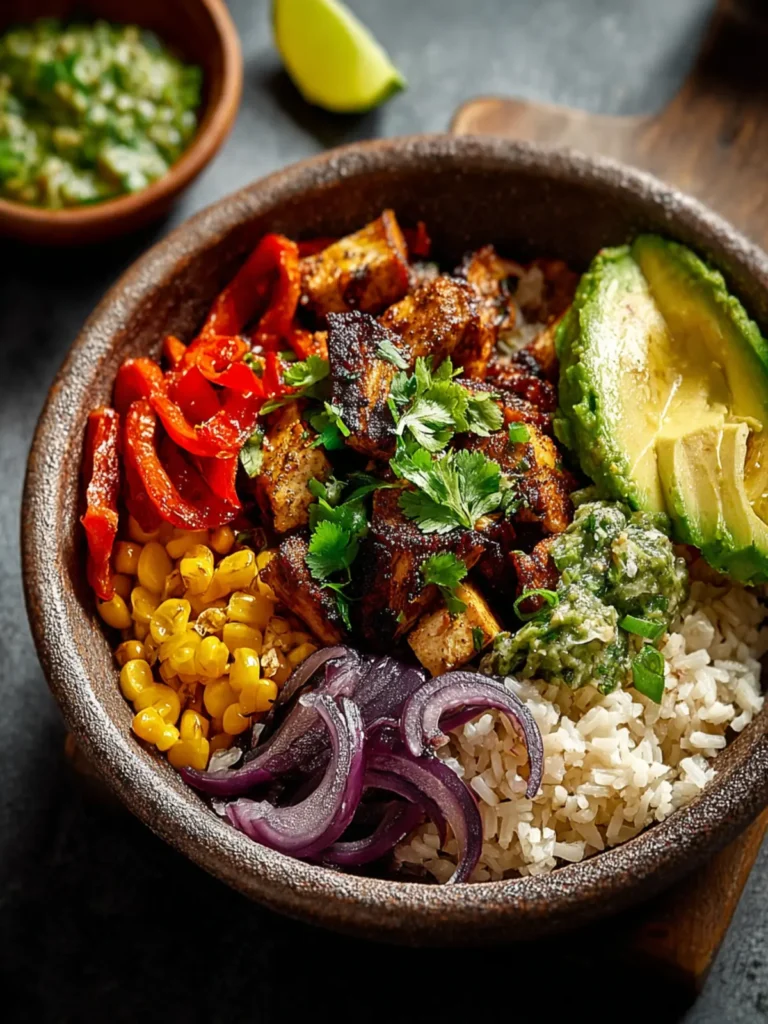
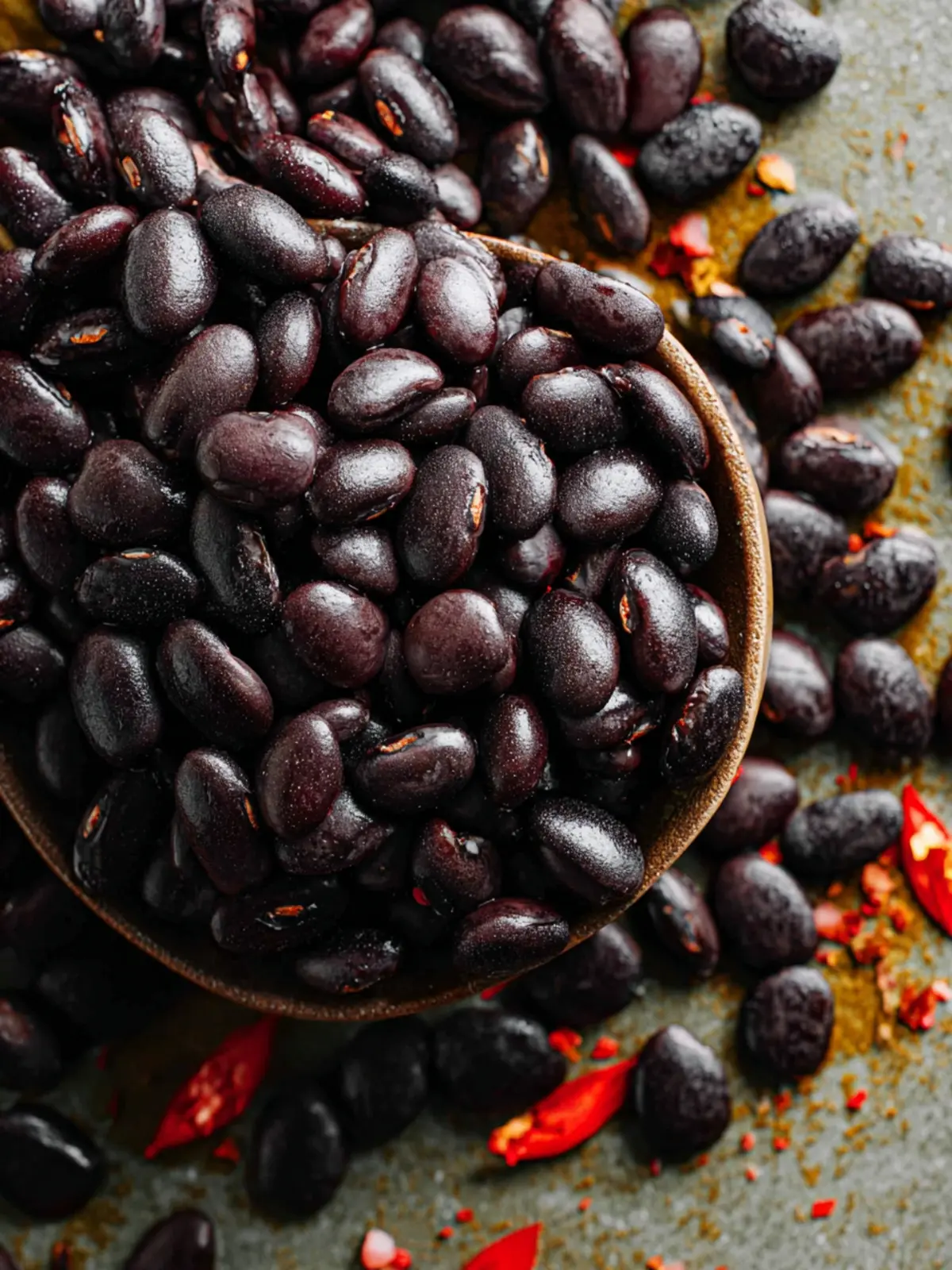
Southwest Style: To infuse a vibrant Southwest flavor, try sautéing onions, garlic, corn, and bell peppers before adding your cooked beans. A sprinkle of cumin and chili powder adds warmth and depth, perfect for filling tacos or burritos.
-
Caribbean Twist: Incorporate coconut milk and lime juice into your black beans for a tropical flair. Add in spices like allspice and thyme, and you’ll have a lovely base for a rice bowl or a unique side dish at your next barbecue.
-
Mediterranean Influence: For a Mediterranean touch, mix in diced tomatoes, olives, and herbs like oregano or basil. It’s a great way to make a fresh salad or a topping for quinoa. Just imagine how these flavors meld together!
-
Smoky Flavor: If you love a bit of smoke in your dishes, try adding a touch of smoked paprika or chipotle peppers while cooking. This complements the earthy tone of black beans beautifully, making them a standout in a chili or as a topping for baked potatoes.
Each variation offers a unique way to enjoy how to cook black beans, inviting you to explore culinary styles from around the globe.
Cooking Tips and Notes for Black Beans
Cooking black beans can lead to a culinary adventure filled with rich flavors and delightful textures. With a bit of guidance, you’ll master the art of preparing these versatile legumes in no time.
Techniques for Best Results
-
Soaking Matters: Always soak your black beans before cooking. Not only does this cut down on cooking time, but it also helps them cook evenly. Aim for an overnight soak, or at least 6-8 hours. If you’re short on time, a quick soak in boiling water for 1-2 hours works wonders too.
-
Cooking Method Choices: While learning how to cook black beans, you can choose between stovetop, slow cooker, or pressure cooker methods. The stovetop is great for controlling texture, while a pressure cooker will save you time. Just remember to adjust water levels accordingly; black beans typically need about three cups of water for every cup of beans when cooking.
-
Flavor Integration: Elevate your beans by cooking them with aromatic ingredients. Onions, garlic, and bay leaves not only infuse the beans with rich flavor but also create a delightful aroma in your kitchen. A dash of cumin or paprika can also add warmth to the mix.
-
Taste as You Go: Don’t hesitate to taste and adjust seasonings throughout the cooking process. Every batch can be slightly different based on factors like ingredient freshness and altitude. Aim for a balance of flavor that satisfies your palate.
With these tips in mind, you’ll be well on your way to creating delicious black bean dishes that your friends and family will love.
Serving Suggestions for Black Beans
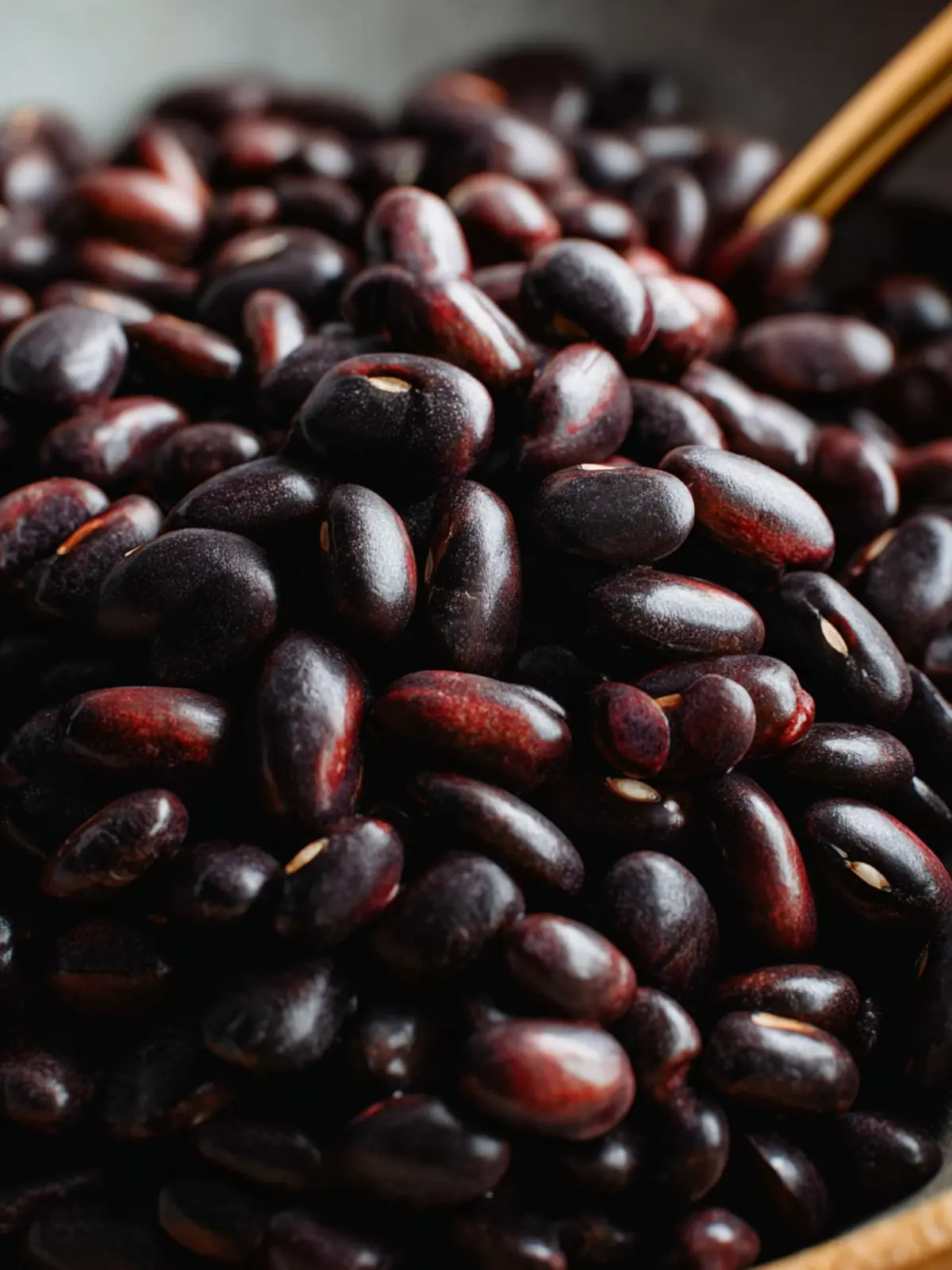
When you learn how to cook black beans, you’re not just opening a can of beans—you’re unlocking a world of culinary possibilities. Black beans are versatile, nutritious, and full of flavor, making them an essential staple in various cuisines. Let’s explore some creative ways to incorporate them into your meals that will both delight your palate and elevate your dining experience.
Creative Ways to Incorporate Into Meals
-
Tacos and Burritos: Use seasoned black beans as a filling for tacos or burritos. Combine them with avocado, pico de gallo, and fresh cilantro for a hearty meal.
-
Salads: Toss black beans into a salad for added protein and texture. They pair beautifully with corn, diced tomatoes, and a zesty lime vinaigrette.
-
Soups: Blend cooked black beans into soups for a creamy texture. They work wonderfully in a smoky black bean soup topped with sour cream and green onions.
-
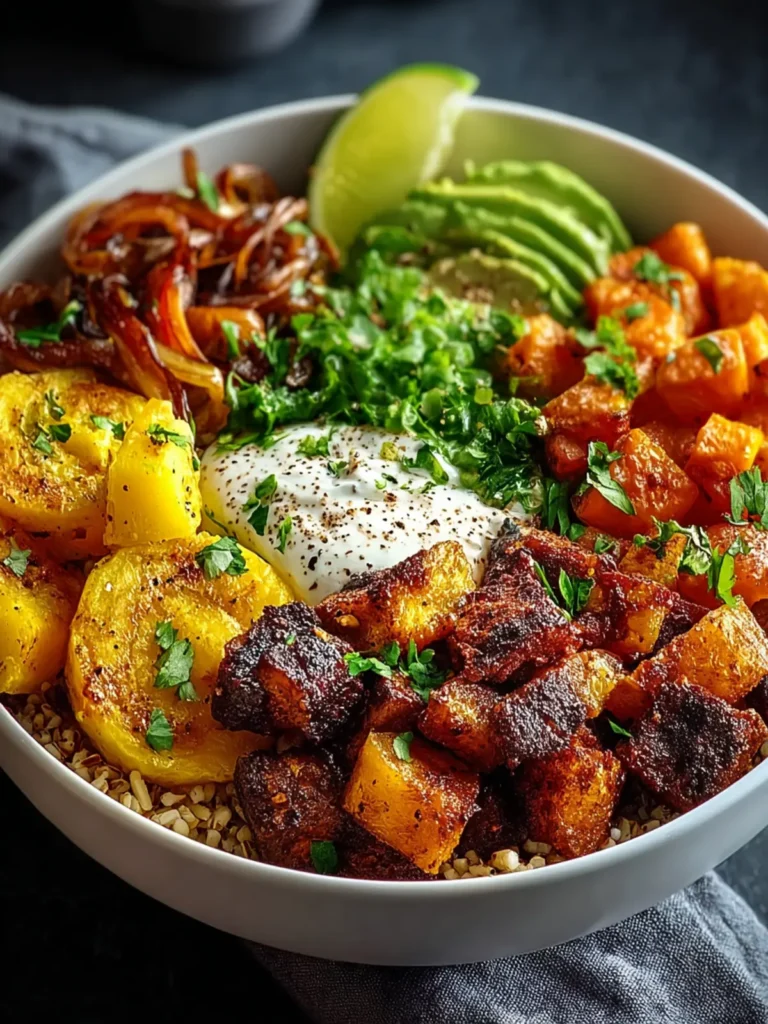
Rice Bowls: Create a satisfying rice bowl by layering black beans on a bed of brown rice or quinoa, topped with grilled vegetables and a drizzle of hot sauce.
-
Veggie Burgers: Mash black beans with spices and form them into patties for delicious homemade veggie burgers. Pair with your favorite toppings for a meatless feast.
With these serving suggestions, you’re all set to enjoy the rich taste of black beans while exploring endless meal options. So, grab that pot and get ready to make your culinary dreams a reality!
Time Breakdown for Cooking Black Beans
Understanding the timeline is essential if you’re venturing into the art of cooking black beans. With a bit of patience, you can transform these humble legumes into a flavorful addition to countless dishes.
Preparation Time
The prep work for cooking black beans is about 10–15 minutes. This includes rinsing and sorting through the beans to remove any debris, as well as soaking them if you choose the overnight method. Soaking helps to reduce cooking time significantly!
Cooking Time
Once prepped, the cooking time varies depending on your method. Stovetop cooking takes around 1–1.5 hours for soaked beans. If you opt for an Instant Pot, you can cut this down to just 30–40 minutes!
Total Time
Factoring in preparation and cooking, your total time for cooking black beans comes to approximately 1.5–2 hours when soaking overnight. If you’re short on time and skipping soaking, it will range between 1–1.5 hours altogether. Enjoy the process, and savor the delicious results of your efforts!
Nutritional Facts for Black Beans
Macros and Health Benefits
When thinking about how to cook black beans, it’s essential to understand their remarkable nutritional profile and health benefits. Black beans are not just delicious; they’re a powerhouse of nutrients!
- Protein: With approximately 15 grams of protein per cup, black beans make an excellent meat substitute, providing all amino acids your body needs.
- Fiber: Each serving offers around 15 grams of dietary fiber, promoting digestive health and helping you feel full longer.
- Vitamins and Minerals: They are rich in B vitamins, magnesium, and iron, making them perfect for energy production and maintaining healthy blood pressure levels.
- Antioxidants: The dark color of black beans signifies a high level of antioxidants, which combat oxidative stress and inflammation.
Incorporating black beans into your meals not only enhances flavor but also boosts your overall health, making them a fantastic addition to your diet.
FAQs about Cooking Black Beans
When you dive into the world of cooking black beans, you open up a realm of delicious, nutritious possibilities. Black beans are not just an ingredient; they’re a staple that brings flavors together while being packed with protein and fiber. Let’s explore some common questions that can enhance your black bean cooking adventure.
How long do black beans need to soak?
Soaking black beans is an essential step to ensure they cook evenly and soften properly. Ideally, you should soak them for at least 6 to 8 hours, usually overnight. This pre-soaking not only reduces cooking time but also helps to improve their digestibility. If you’re short on time, a quick soak method can be used. Bring them to a boil in water for 2 minutes, then cover and let them sit for an hour.
Can I cook black beans without soaking?
Absolutely! While soaking is beneficial, you can skip it and still enjoy tasty black beans. Just keep in mind that cooking time will increase. If you choose to cook them unsoaked, allow about 1.5 to 2 hours for them to become tender. This method may lead to a creamier texture, making them perfect for soups or bean dips.
What are the best ways to store cooked black beans?
Once you’ve cooked a batch of black beans, proper storage is key to preserving their freshness. Let them cool completely before transferring them to an airtight container. You can keep them in the refrigerator for about 3 to 5 days. For longer storage, consider freezing them. Portion the beans into freezer-safe bags, making it easy to defrost only what you need later.
Conclusion on Cooking Black Beans
Embracing homemade meals for wellness means rediscovering the natural goodness that can be found in black beans. By learning how to cook black beans from scratch, you not only elevate your culinary skills but also nourish your body with high-quality ingredients. Plus, cooking at home allows you to experiment with flavors and spices unique to your taste.
Make a batch of these versatile beans, and you’ll have a nutritious base for a variety of meals throughout the week. From hearty soups to delightful tacos, the possibilities are endless. Enjoy the process, savor each bite, and celebrate your journey toward a healthier lifestyle. Your taste buds—and your body—will thank you!
Print
Braised Black Beans
- Total Time: 13 hours
- Yield: 4 servings 1x
- Diet: vegan
Description
A delicious and nutritious way to prepare black beans!
Ingredients
Scale
- 1 pound dry black beans
- 1 tablespoon kosher salt (for soaking)
- 1 teaspoon kosher salt (for cooking)
- 1 white onion, peeled and quartered (optional)
- 4 garlic cloves, peeled and smashed (optional)
- 1 strip kombu seaweed (optional)
- other herbs as desired (optional)
Instructions
- Place the beans in a large container with a cover with 2 inches of room temperature water and stir in 1 tablespoon kosher salt. Cover and allow to soak at room temperature.
- When ready to cook, drain the beans from the soaking liquid. Place them in a pot and cover with 2 inches of water. Add 1 teaspoon kosher salt and bring to a boil, then reduce to simmer. If using, add onion, garlic, or herbs for additional flavor.
- Simmer uncovered for 45 minutes to 1 1/2 hours until the beans are tender (taste test as you cook; the exact timing will depend on the age and brand of beans). Add a bit of water if necessary to keep the beans covered with water while cooking. Drain the water.
- Store refrigerated for 3 to 5 days, or frozen for up to 8 months. To freeze the beans, place the drained beans into a sealable storage container, preferably mason jars. It’s helpful to freeze them in 1 1/2 cup increments, which equals 1 15-ounce can of beans.
Notes
- Be sure to taste the beans during cooking to check for tenderness.
- If you’re freezing the beans, label the containers with the date.
- Prep Time: 12 hours
- Cook Time: 1 hour
- Category: Beans and Legumes
- Method: stovetop
- Cuisine: American
Nutrition
- Serving Size: 1 cup
- Calories: 240
- Sugar: 0 g
- Sodium: 200 mg
- Fat: 1 g
- Saturated Fat: 0 g
- Unsaturated Fat: 1 g
- Trans Fat: 0 g
- Carbohydrates: 40 g
- Fiber: 13 g
- Protein: 15 g
- Cholesterol: 0 mg